
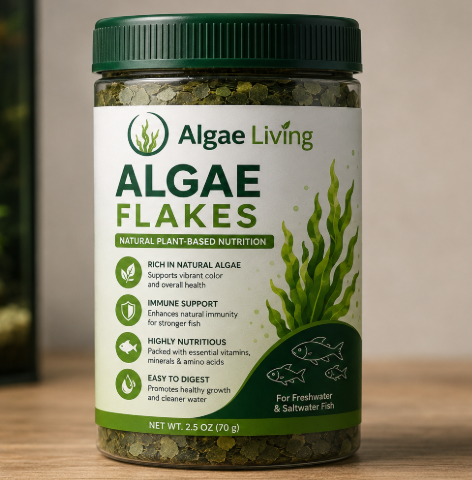
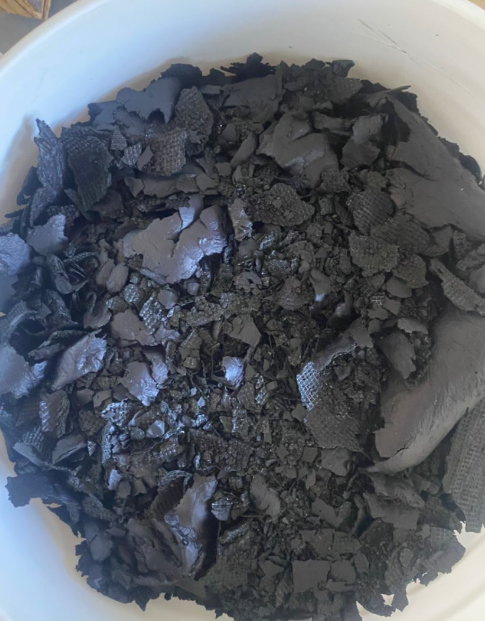
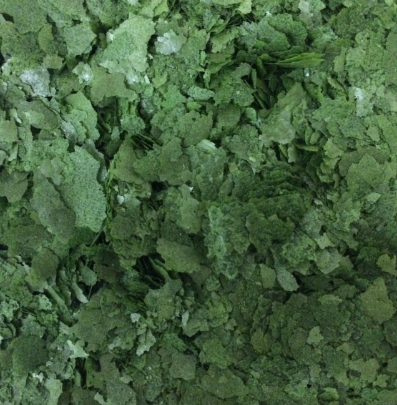
Algae meal flakes are a nutrient rich, flake form feed made from dried microalgae. They are widely used in aquariums and aquaculture as a natural, sustainable alternative to conventional fish feed. These flakes are specially processed to retain the essential nutrients of algae including proteins, vitamins, minerals and natural pigments. Their light, flaky texture allows them to float or slowly sink making them easy for fish and other aquatic organisms to consume.
Algae meal flakes are particularly valued for their ability to support healthy growth, enhance natural coloration and improve digestion in fish. This is because algae are a natural part of many aquatic species’ diets. Algae Flakes provide a more balanced and biologically suitable nutrition source compared to purely animal based feeds. Algae based feeds are gaining more popularity due to their eco-friendly and sustainable production. This making them an ideal choice for modern aquaculture and aquarium care.
KEY BENEFITS
High Nutritional Value
Algae such as spirulina and chlorella are rich in:
- Protein (supports growth and muscle development)
- Vitamins (A, B-complex, C, E)
- Minerals (iron, calcium, magnesium)
This makes algae flakes a complete and efficient feed option.
Enhances Natural Color
Algae contain natural pigments like beta-carotene and chlorophyll which help:
- Improve fish coloration
- Enhance brightness in ornamental species
Improves Digestion
Algae are easy to digest and contain natural compounds that:
- Support gut health
- Increase nutrient absorption
- Reduce feed waste in water
Boosts Immunity
Bioactive compounds in algae help:
- Strengthen immune systems
- Increase resistance to diseases
- Improve overall fish health
Suitable for Many Aquatic Species
Algae flakes are ideal for:
- Herbivorous fish
- Omnivorous fish
- Marine and freshwater species
They mimic the natural diet of algae-eating organisms.
Eco Friendly & Sustainable
Algae-based feed:
- Requires less land and water than traditional feed sources
- Produces lower environmental impact
- Supports sustainable aquaculture practices
Target Applications of Algae Meal Flakes
Aquarium Fish Feeding
Ideal for home and commercial aquariums:
- Tropical fish (guppies, tetras, mollies)
- Goldfish and ornamental species
- Algae-eating fish (plecos, cichlids)
They support daily nutrition, color enhancement, and overall health.
Aquaculture Industry
Widely used in fish farming systems:
- Tilapia
- Catfish
- Carp
Algae flakes help improve:
- Growth performance
- Feed efficiency
- Disease resistance
Shrimp & Prawn Farming
Suitable for:
- Shrimp larvae and juveniles
- Ornamental shrimp
Benefits include:
- Better survival rates
- Enhanced pigmentation
- Improved immune strength
Marine Aquaculture
Used in saltwater systems:
- Marine fish (tangs, angelfish)
- Reef aquarium species
Algae flakes mimic natural ocean diets, making them highly accepted by marine species.
LIMITATIONS
Variable Nutrient Consistency
The nutritional value can vary depending on:
- Type of algae used (spirulina, chlorella, blends, etc.)
- Cultivation conditions (light, nutrients, harvesting time)
- Processing methods
This means not all algae flakes deliver the same protein or omega-3 levels.
Incomplete Diet for All Species
Algae flakes are best suited for herbivorous and omnivorous species. However:
- Carnivorous fish may still require animal-based protein sources
- Sole reliance can lead to nutritional imbalance in some species
Risk of Overfeeding & Water Quality Issues
If overused:
- Uneaten flakes break down quickly
- Can increase ammonia and nitrate levels
- Leads to cloudy water and algae bloom in tanks
Proper feeding control is essential.
Higher Production Cost
Compared to conventional fish feed ingredients:
- Algae cultivation is more expensive and technology dependent
- Drying and processing require controlled systems
This can make algae flakes more costly for end users.
Recommended Feeding Amount
- Provide only what fish can consume within 2–3 minutes
- Start with a small pinch per feeding
- Adjust quantity based on fish size, species and appetite
Directions for Use
Feeding Method
- Sprinkle flakes evenly on the water surface
- Allow fish to feed naturally
- Do not dump large amounts in one spot
- For fry or small fish, flakes may be crushed into finer particles
Feeding Frequency
- Feed 1–2 times daily
- For fast-growing juveniles: up to 3 small feedings per day
- Maintain consistent feeding times for better feeding response