
Blogs
-
By Nurman Alif Nurazizan
Nannochloropsis microalgae as emerging nutraceutical ingredient
•
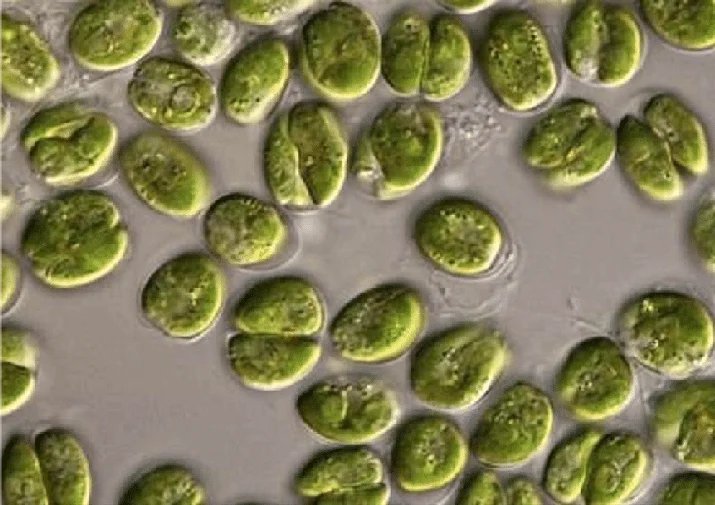
1–2 minutesThe marine microalgae Nannochloropsis spp. have emerged as highly promising candidates for nutraceutical applications, thanks to their remarkable biochemical profile and the sustainability of their production systems. Comprising six recognised species, including N. oculata, N. gaditana, N. oceanica, N. salina, N. limnetica, and N. granulata, these unicellular eukaryotic algae naturally accumulate high levels of eicosapentaenoic acid (EPA), proteins, and bioactive compounds (Ma et al., 2016; Zanella…
-

By Enerson Yap
An Introduction to Algae, the Latest Superfood
•
1–2 minutesIt was the icky stuff we avoided in the pond as kids, but these days algae is a trendy food product. Loved by chefs for its versatility and touted by many nutritionists for its health benefits, algae food products are popping up on supermarket shelves, on restaurant menus, and more. Here’s what you need to know about eating…
-

What is Algae Oil, and why do people take it?
•
1–2 minutesWhen you think of algae, you make picture the greenish film that sometimes develops on ponds and lakes. But you may not know that this marine organism is also cultivated in laboratories for its unique oil, which is packed with omega-3 fatty acids. These fats are linked to many health benefits. While fish oil also supplies…
-

Food Start-ups Eye Algae as a Green Protein Source
•
1–2 minutesThe organism could help feed a growing population — if it can be grown economically. Entrepreneurs and investors are increasingly focusing on algae as an alternative protein source to help feed a global population that the UN forecasts will rise from 7.7bn today to 9.7bn by 2050. In the EU, the algae biomass sector is valued…
-

More Protein And Good For The Planet: 9 Reasons We Should Be Eating Microalgae
•
4–7 minutesAs the climate warms, the land we use for growing energy-intensive crops such as wheat and corn is becoming less productive. We need to find ways to feed the earth’s growing population that isn’t so burdensome on the environment. One potential solution is to cultivate microalgae – microscopic aquatic organisms that are packed with nutrients. Microalgae are…
-
Evidence-Based Human Application of Spirulina
•
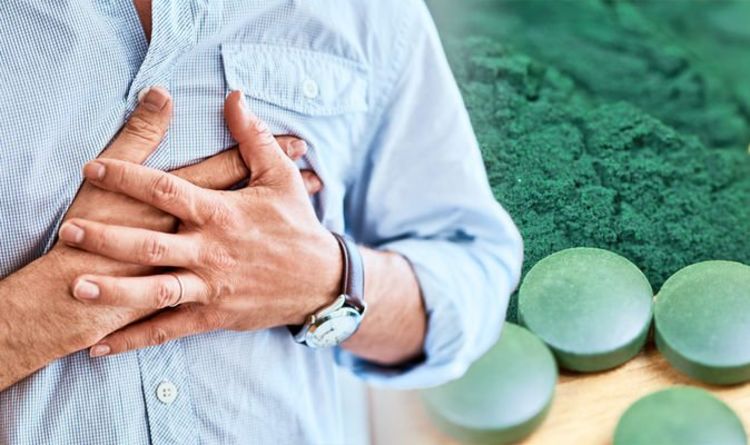
1–2 minutesArthrospira or commonly known as spirulina, is a type of blue-green alga that became famous after it was successfully used by NASA as a dietary supplement for astronauts. According to P.D.Karkos scientist from Uk, It has proven that spirulina modulate immune functions and exhibits anti-inflammatory properties by inhibiting the release of histamine by mast cells.
-
9 Impressive Health Benefits of Chlorella
•
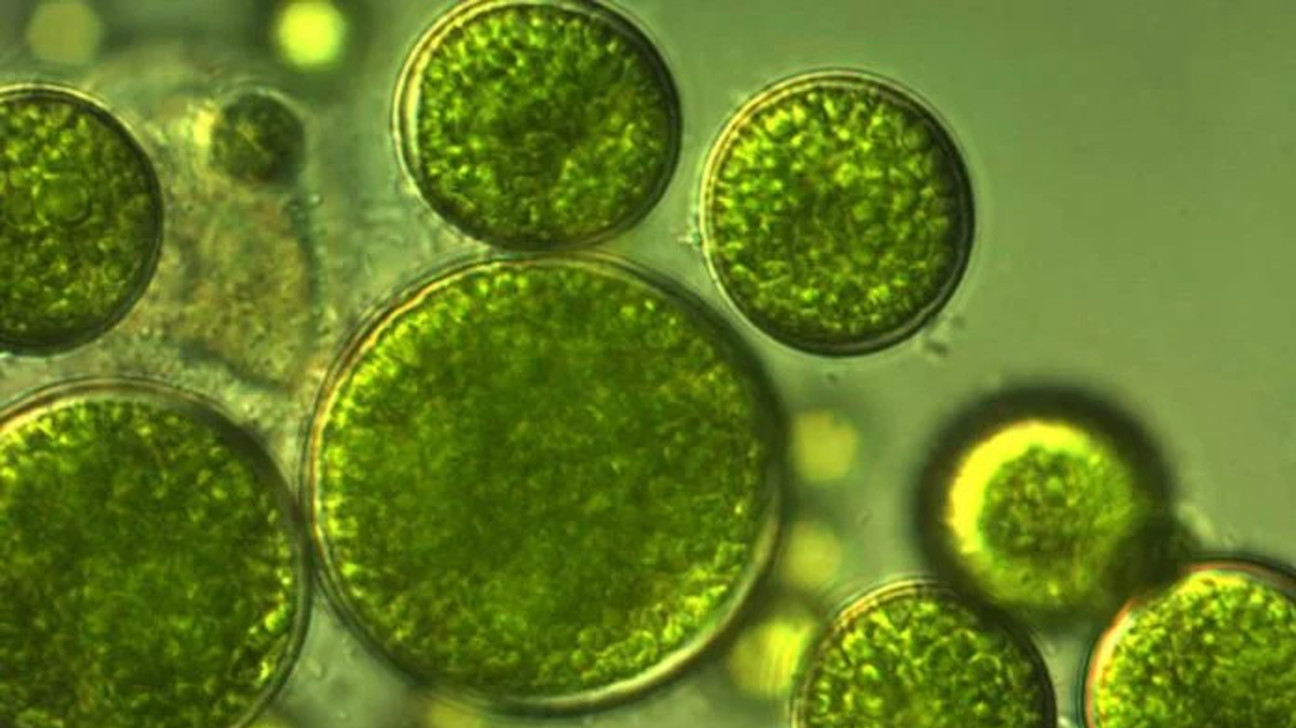
9–13 minutesThis nutrient-dense algae has been receiving a lot of buzz for its health benefits. Furthermore, as a supplement, it has shown promise in improving cholesterol levels and ridding the body of toxins. This article tells you all you need to know about chlorella, including what it is, the research behind its health claims and how to…
-

The Antioxidant Power of Astaxanthin
•
2–3 minutesAstaxanthin is one of the most powerful antioxidants among the carotenoids. It’s a pigment found in salmon, shrimp, and other foods. Scientific investigation into astaxanthin’s health-associated properties has been fairly recent, exposing a number of impressive benefits. So far, this powerful carotenoid has been associated with protective effects against cardiovascular disease risk factors, eye issues, and a range of other conditions. Astaxanthin Offers…
-
Interesting Facts About Algae
•
1–2 minutesAlgae is a one-celled plant that can grow in your pool if conditions are favorable. There are over 400,000 known varieties of algae. Algae are mainly found in marine or freshwater environments. Algae produce oxygen which other aquatic life uses. Algae are important to humans in the form of food and medicine.
-
7 Potential Benefits of Astaxanthin
•
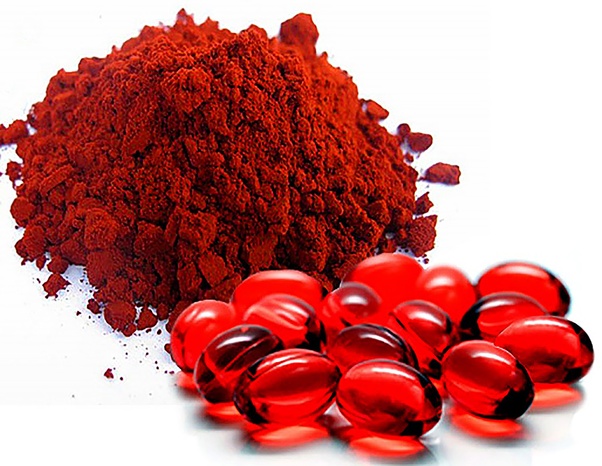
1–2 minutesAntioxidant, Cancer, Skin, Heart, Joint, Male Fertility
-

The 3 Most Important Types of Omega-3 Fatty Acids
•
1–2 minutesOmega-3 fatty acids are essential fats that have numerous health benefits. However, not all omega-3s are created equal. Among 11 types, the 3 most important are ALA, EPA, and DHA. ALA is mostly found in plants, while EPA and DHA are mostly found in animal foods like fatty fish. This article takes a detailed look at…
-

10 Health Benefits of Spirulina
•
1–2 minutesSpirulina is among the world’s most popular supplements. It is loaded with various nutrients and antioxidants that may benefit your body and brain. Here are 10 evidence-based health benefits of spirulina.

Trending posts


Fast Delivery
Free Shipping for order

Order tracking
Check your order status

Refunds
Free 100% money back

Support
Our team is feedback 24/7