
The production of palm oil contributes to deforestation, threatens wildlife and can produce even more emissions than traditional fossil fuel.
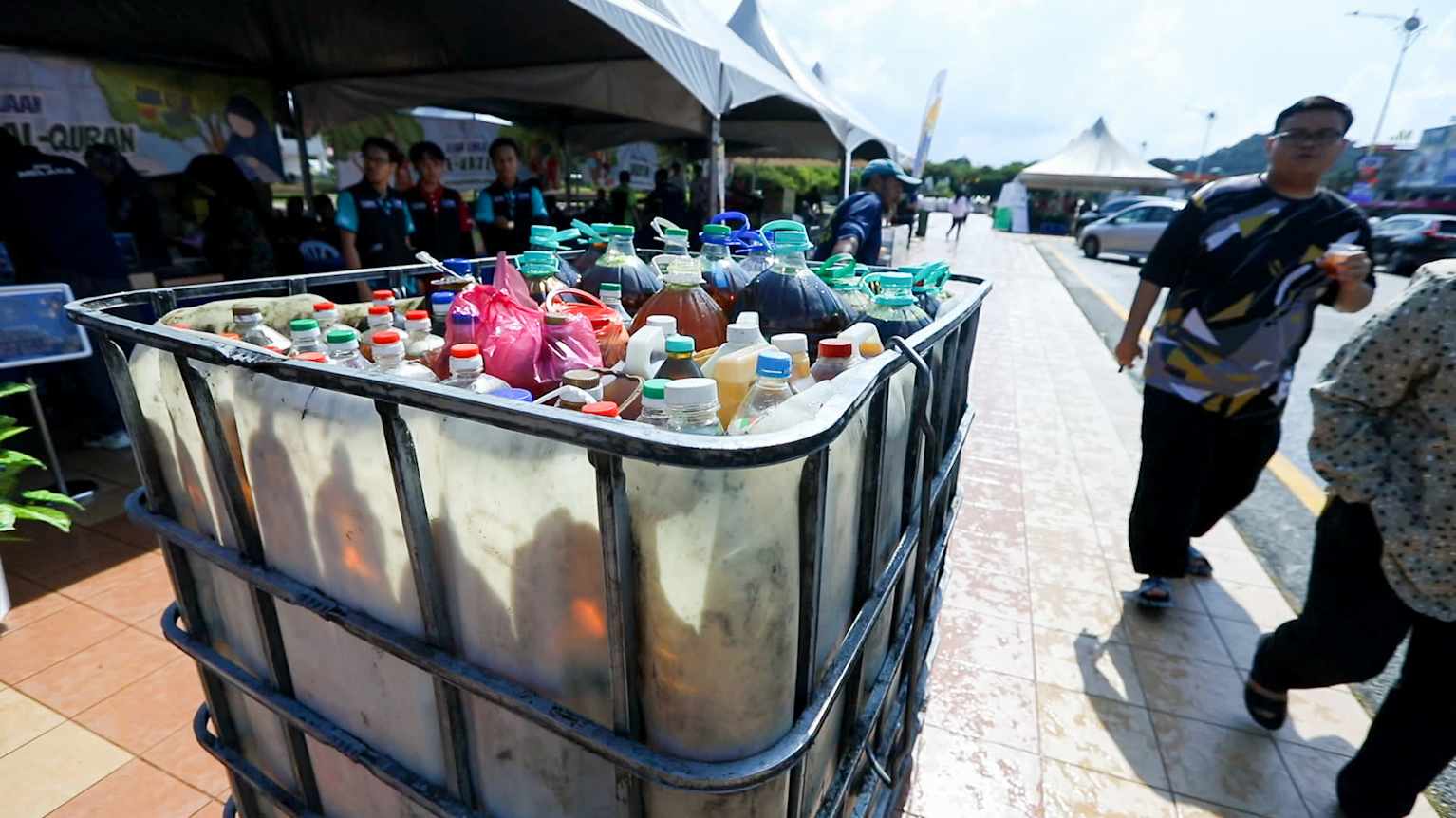
The world’s largest producer of aviation biofuel, Finnish fuel firm Neste, has been using banned palm oil instead of recycled cooking oil, according to Swedish public broadcaster SVT.
An SVT investigative report noted that the production of palm oil contributes to deforestation, threatens wildlife and can produce even more emissions than traditional fossil fuel.
Neste’s majority shareholder is the Finnish state.
Citing EU regulations, SVT noted that eco-fuel must be produced from waste products, like used frying oil or grease from the food industry. It said new palm oil is prohibited because of its negative environmental impacts.
The broadcaster’s investigation in the matter heard from an unnamed former manager at Neste.
“If Neste doesn’t accept questionable raw materials, our competitors will. The entire biofuel market has problems with fake raw materials,” the former manager said, according to SVT.
It said that Neste has not revealed where it sources its raw materials for its aviation biofuels. However, SVT said customs data showed how much used frying oil the company purchased from Malaysia in 2024 and half of last year.
The total reached nearly 250,000 tonnes per year, SVT said. However, citing several sources, it said that it would not be possible to collect more than 100,000 tonnes of the used cooking oil per year.
As part of the investigative reporting, an SVT journalist in Malaysia shot video footage of a container of new palm oil at a collection point. But the container was not checked for its contents.
SVT showed Neste’s EVP Carl Nyberg the video.
He said the company will react if there are any doubts about the raw materials in their aviation biofuel, adding that deliveries from fraudulent suppliers would no longer be accepted.
Source: https://yle.fi/a/74-20216793
- SAF derived from 3 main feedstocks, mainly
- UCO –
- POME –
- Algae Oil –